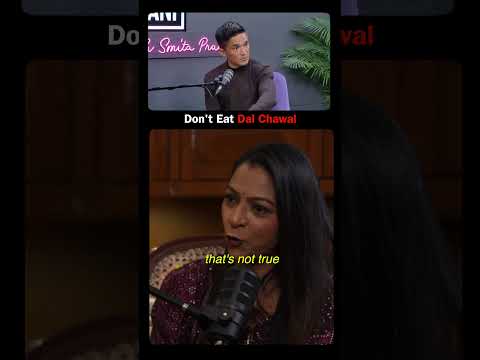
I made a video called "Celebrity Diet Privilege" and over 30 lakh people watched it.
Thirty. Lakh.
That number tells me something uncomfortable: millions of Indians are following diet advice from people whose lives look nothing like theirs. And it's not working. And deep down, they know it's not working. But nobody is saying it out loud.
So let me say it.
The Celebrity Diet Is a Lie (For You)
When Anushka Sharma posts her pregnancy diet or when a Bollywood actor shares their transformation meal plan, it looks incredible. Clean, portioned, expensive ingredients, beautifully plated.
But here's what's behind that post: a personal chef who cooks three times a day. A nutritionist on speed dial. A trainer who adjusts macros weekly. Imported supplements. And most importantly — time. The most expensive luxury there is.
You have a job. A commute. A family. A budget. A kitchen where you're choosing between daal and rajma, not between quinoa and acai bowls. And that's not a disadvantage. That's reality. The diet advice you follow should match your reality, not someone else's highlight reel.
The Sleep Revelation
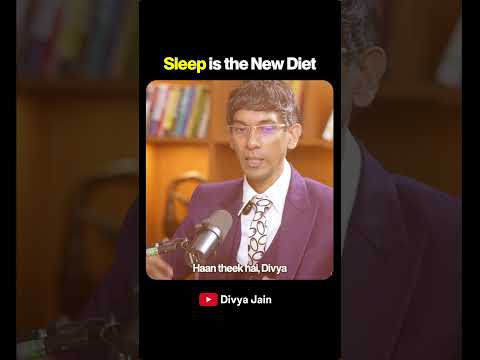
I recorded an episode called "Sleep is the New Diet — Here's the Science" and it did over 8 lakh views. Here's why it resonated.
We've been obsessing over what we eat while completely ignoring how we sleep. The science is now undeniable — poor sleep increases cortisol, which increases fat storage, which increases cravings, which wrecks your diet. You could eat perfectly and still gain weight if you're sleeping five hours a night.
I was guilty of this myself. I used to wear my sleep deprivation like a badge of honour. "I slept four hours and still crushed it." No, I didn't. I was running on adrenaline and calling it productivity.
Seven to eight hours of sleep is not lazy. It's the single most powerful health intervention available to you. And it's free.
Vegetarian Protein Isn't the Problem You Think It Is
Every time I talk about health on the podcast, someone asks: "But Divya, I'm vegetarian. Where do I get my protein?"
Let's settle this once and for all.
Paneer has 18 grams of protein per 100 grams. Chana has 19 grams. Rajma has 24 grams. Moong dal has 24 grams. Soybean has 36 grams. Peanuts have 26 grams. Dahi has 11 grams per cup.
The problem was never that Indian vegetarian food lacks protein. The problem is that most Indian meals are carb-heavy — roti, rice, more roti, more rice — with protein as an afterthought. Flip the ratio. Make daal, paneer, or chana the hero of your plate. Make roti the side character. That single change — no fancy supplements, no imported foods — will transform how you feel within two weeks.
Kids Who Can't Cook or Cope
I did an episode titled "Kids Who Can't Cook or Cope — A Reality Check" and the comments section was a warzone. Parents defending themselves. Young people agreeing aggressively. Everyone had an opinion.
But the point stands. We've raised a generation that orders everything on Zomato and calls it independence. Knowing how to cook a basic meal isn't just a life skill — it's health insurance. When you cook, you control the oil, the salt, the portions. When you order, you're at the mercy of a restaurant that optimises for taste, not for your health.
If you can't cook five basic Indian meals — daal, sabzi, roti, rice, and a raita — you're outsourcing one of the most important decisions of your day to a stranger.
What Actually Works: The Honest Indian Diet Framework
Morning: Don't skip breakfast. Not for intermittent fasting. Not because some podcast told you to. Your morning meal sets your blood sugar for the day. Two eggs or a bowl of poha with peanuts and a glass of milk. Simple. Done.
Lunch: This is your biggest meal. Two rotis, a generous bowl of daal or sabzi with paneer, a side of dahi, and a salad. The mistake most people make is eating their biggest meal at dinner when their metabolism is already slowing down.
Evening: A handful of roasted chana, makhana, or peanuts with chai. Not biscuits. Not samosas from the office canteen. Protein-forward snacks keep your energy stable through the afternoon crash.
Dinner: Light. A bowl of khichdi, or moong daal with one roti, or just a big bowl of vegetable soup. Your body is winding down. Don't force it to digest a biryani at 10 PM.
Water: Three litres minimum. Not juice. Not cola. Water. Most of the headaches, fatigue, and brain fog that people blame on their diet is actually dehydration.
The Gut Truth
I had Dimple Jangda on the podcast to talk about gut health — "Detox Your Gut 100% Naturally" — and what she shared was eye-opening. Your gut isn't just about digestion. It's connected to your mood, your skin, your energy, your immunity. An unhealthy gut shows up as acne, anxiety, bloating, and constant fatigue.
The fix isn't a detox tea from Instagram. It's simpler. Eat more fibre. Drink warm water in the morning. Include fermented foods — dahi, kanji, achaar in small amounts. Stop eating packaged food that has ingredient lists longer than a terms-and-conditions page.
The One Thing Nobody Talks About
Context.
A diet that works for a 25-year-old software engineer in Bangalore doesn't work for a 40-year-old mother of two in Lucknow. A plan designed for someone with a gym membership and a meal prep routine doesn't work for someone working two jobs.
The best diet is the one you'll actually follow. Not the one that sounds the most impressive. Not the one your favourite influencer promotes. The one that fits your life, your budget, your kitchen, and your family.
Stop chasing perfection. Start chasing consistency.
Watch the Full Episodes
This post draws from Divya Jain Podcast episodes including "Celebrity Diet Privilege" (30 lakh+ views), "Sleep is the New Diet — Here's the Science," "Kids Who Can't Cook or Cope — A Reality Check," and "Detox Your Gut 100% Naturally" ft. Dimple Jangda.